Track limits: how they're policed and what they cost
A driver nails the perfect lap, and then his time appears crossed out on the screen. Here's where the track ends and what happens when you go beyond it, minus the legal jargon.
Where the track ends
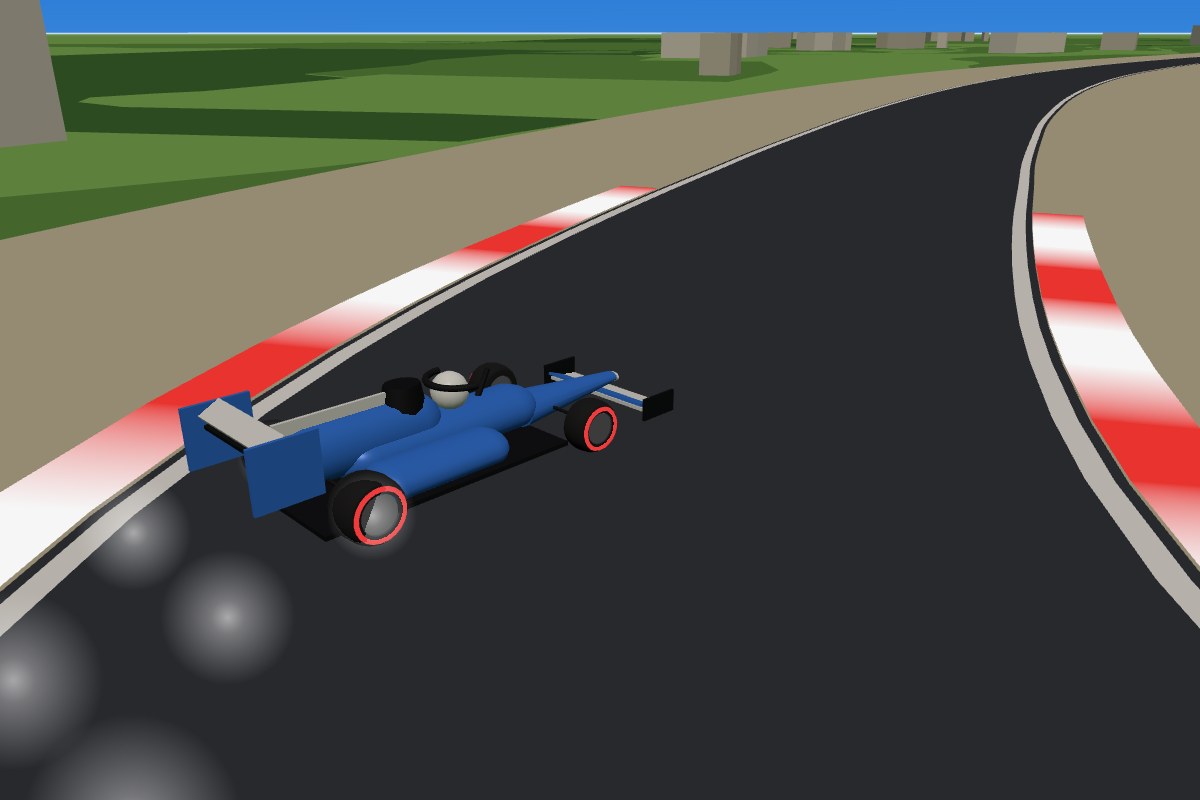
The FIA Sporting Regulations keep it short: a driver has left the track if no part of the car remains in contact with it. The white line at the edge counts as track, the kerb doesn't. In practice the stewards look at the wheels. As long as one wheel is still on the line, you're fine. All four beyond it, and that's an offence.
Qualifying: the lap is just wiped
In practice and qualifying the time of that lap is deleted. In qualifying that can cost a place in the next segment or a few grid slots. There's a sneaky extra too: if a driver goes wide at the last corner before the pit straight, the following lap can be deleted as well, because he'd otherwise carry extra speed onto the straight.
The race: three warnings, then a penalty
In the race lap times aren't deleted, but the stewards keep count. The first two offences go unpunished. The third brings the black and white flag, the final warning. The fourth costs a 5 second penalty, the fifth 10 seconds, and then the count starts over. From 2026 the stewards can also ignore an offence if a driver went wide in a failed overtaking attempt and gained nothing from it.
Austria 2023: five hours after the flag
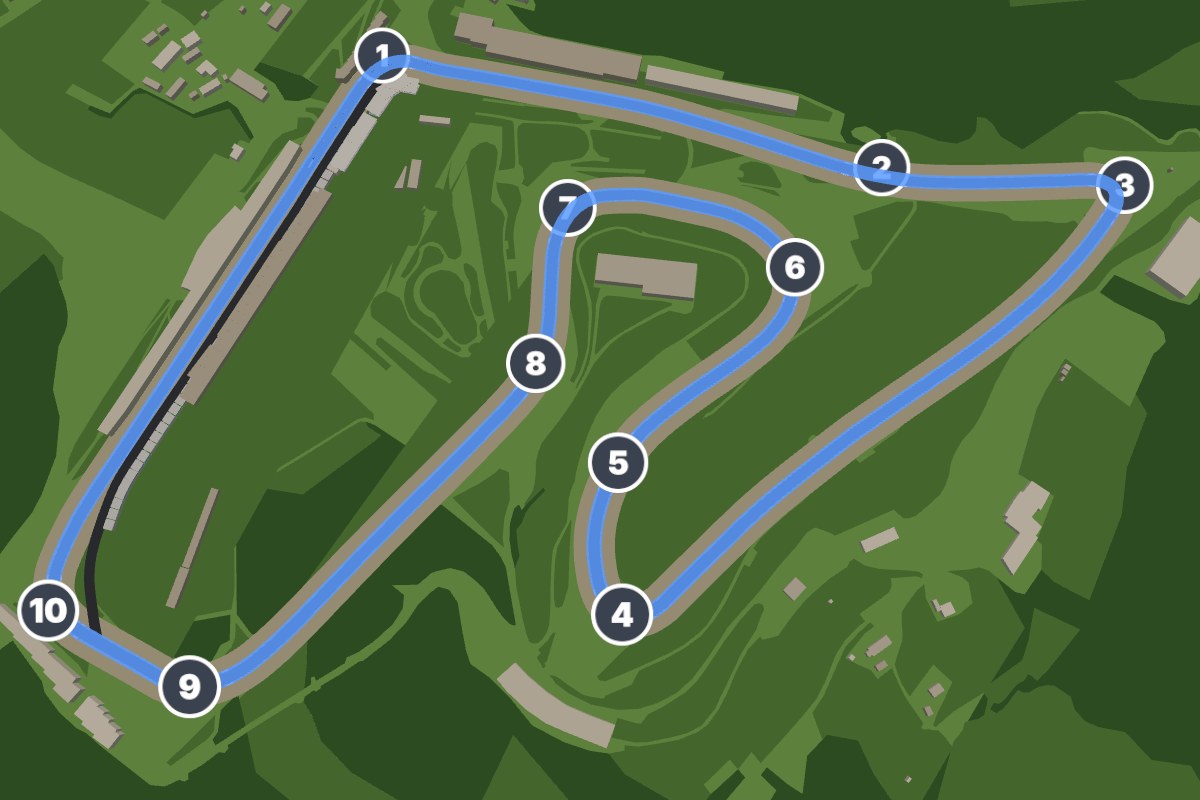
The most notorious case came at the 2023 Austrian Grand Prix. Most offences happened on the way into, and especially out of, the final corners. Officials had to check more than 1,200 possible breaches, and over a hundred laps were deleted during the race. A recount followed: 12 more penalties for eight drivers, with the final result announced about five hours after the chequered flag.
How offenders get caught
Sensor loops in the track and zoomed cameras watch the edges. The signals go to race control and to the FIA's remote operations centre in Geneva, where people review them. If a driver suddenly drops five seconds mid-race, LapRadar's interval table shows it straight away, and a race control message usually explains why.