Graining vs blistering: what actually happened to that tyre
The commentator says "he's got graining" and suddenly the driver is a second a lap down. F1's two most common tyre problems only look alike at first glance.
Little rolls of rubber
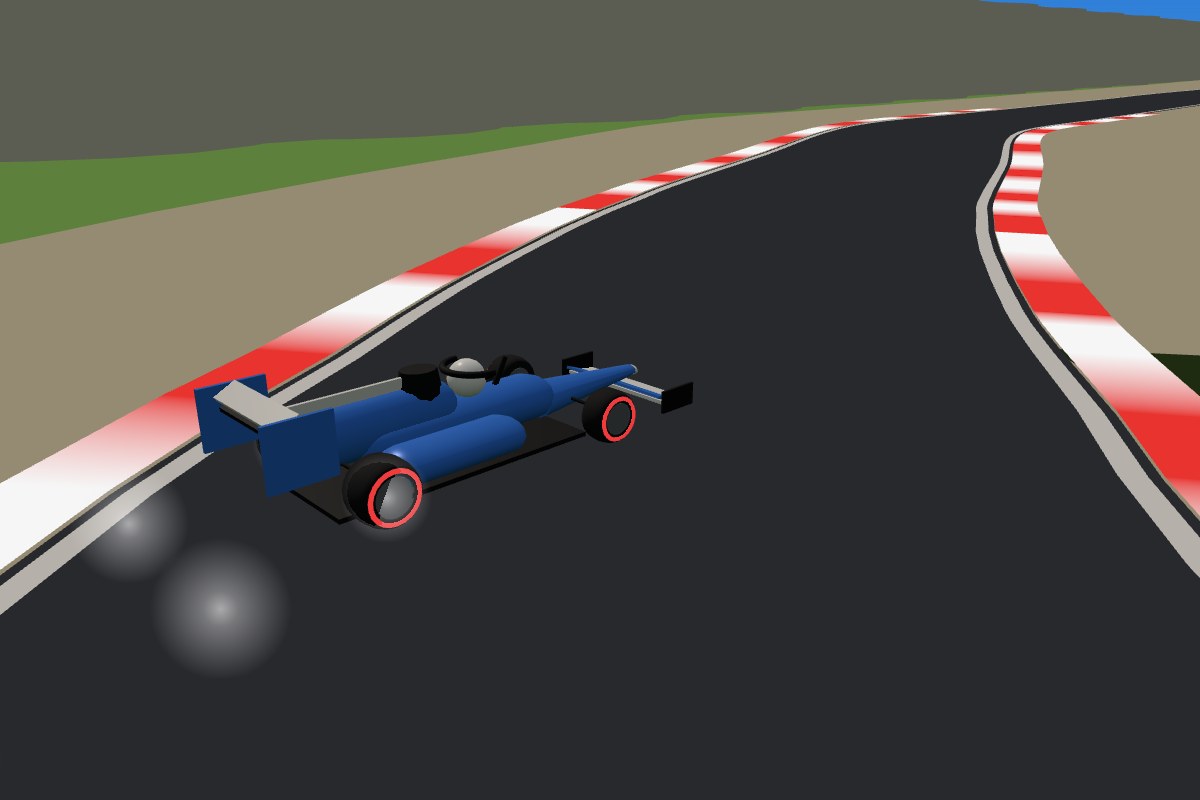
Graining is a surface problem. When the tyre slides across the tarmac, thin strips of rubber tear off, roll up and stick back onto the tread. The tyre turns rough like sandpaper, the contact patch shrinks, and the car slides even more. It feeds itself.
Why the cold makes it worse
Cold rubber tears more easily, so graining loves cool tracks, night races and the first laps after a pit stop. Throw in understeer or oversteer, the wrong compound or poor pressures and camber, and you'll almost certainly see it. The good news is it often clears. If the driver takes it easy for a few laps, the rough layer wears away, fresh rubber appears underneath, and the pace comes back.
Bubbles from within
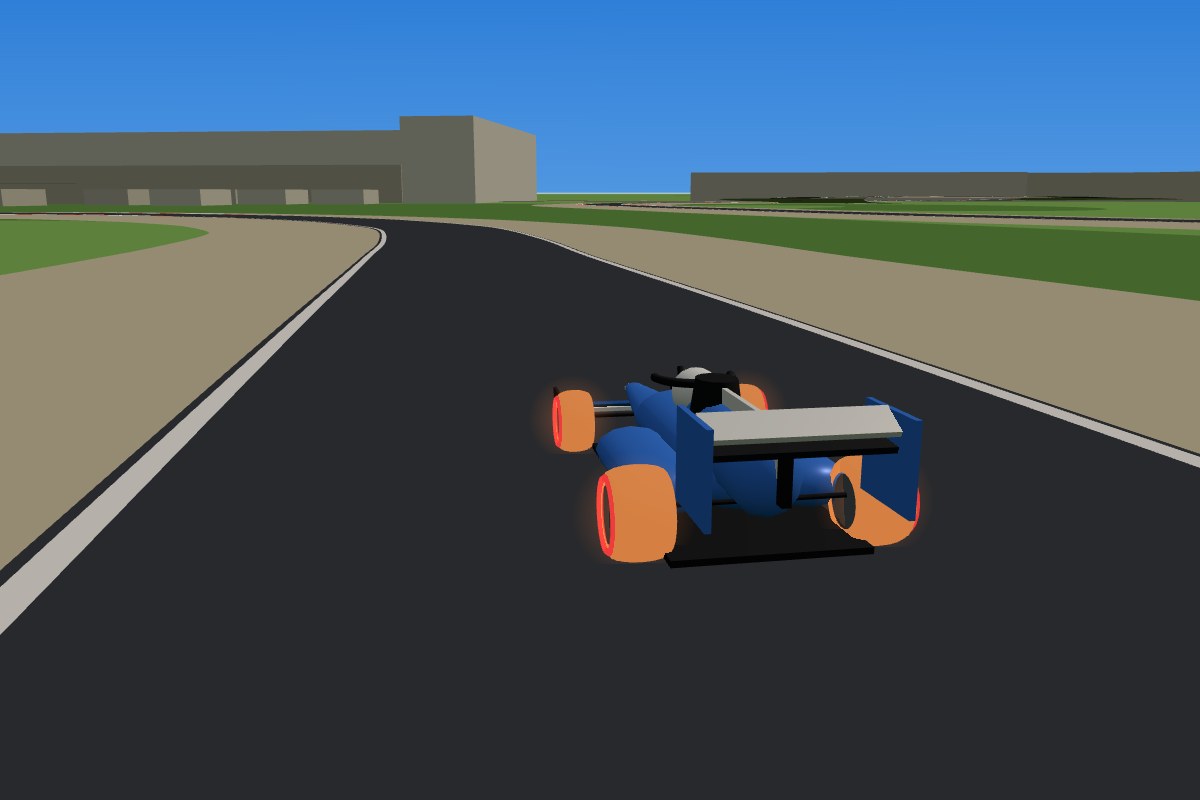
Blistering works the other way round. It starts inside the tyre when it overheats. The layers of rubber lose their bond, pockets form inside, and cornering loads rip whole chunks out of the tread. From the outside it looks cratered. The usual suspects are hot tarmac, a compound too soft for the conditions, high pressures or a suspension set too stiff.
Which one hurts more
Blistering, by a distance. The damage is structural, it won't go away and only gets worse. A driver can lose a second or more a lap, and the risk of a failure grows. Usually there's one answer: an unplanned stop. You can manage graining through a stint, but with blistering you're just counting the laps to the pits.
How teams avoid both
The first defence is picking the right compound for the track and the weather. Then come Friday practice data, pressures and camber, and suspension settings. The driver plays a part too, warming the tyres properly and not attacking straight out of the pits. LapRadar's Live centre shows how many laps every set has done and who pitted earlier than planned.