Safety car or virtual safety car: who gets lucky
One crash can turn a race upside down. But the real safety car and its virtual cousin work differently, and they help different drivers.
Queueing behind the safety car
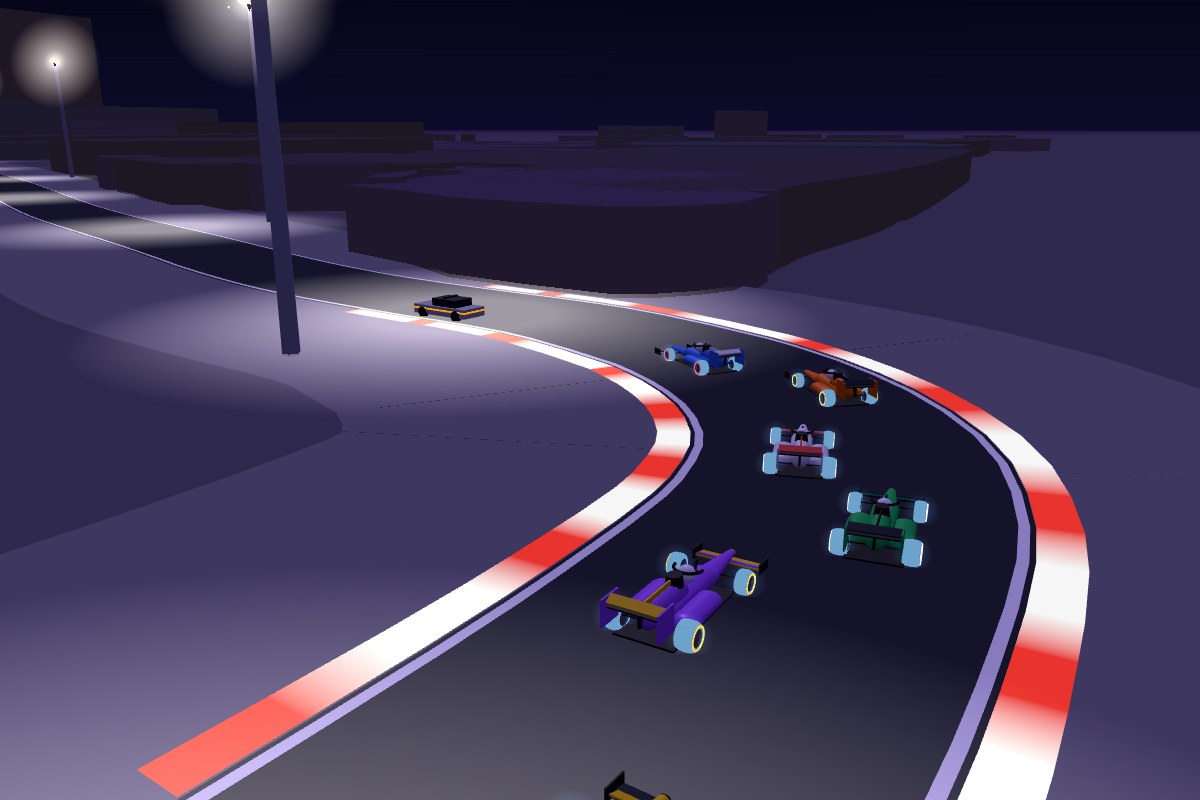
When there's debris on track or a car stopped somewhere dangerous, race control sends out the safety car. The field forms a queue behind it and overtaking is banned. The big consequence is brutal: the gaps are gone. A leader who spent half the race pulling away suddenly has the whole pack in his mirrors.
The virtual version freezes the race
Under a virtual safety car (VSC) nothing comes out on track. Every driver must stay slower than a set time through each part of the lap, watching a delta on the steering wheel to make sure it never goes negative. Overtaking is still banned, but the gaps hardly change. The VSC is used when marshals need only a short window, say to clear a piece of debris from the verge.
The cheap pit stop
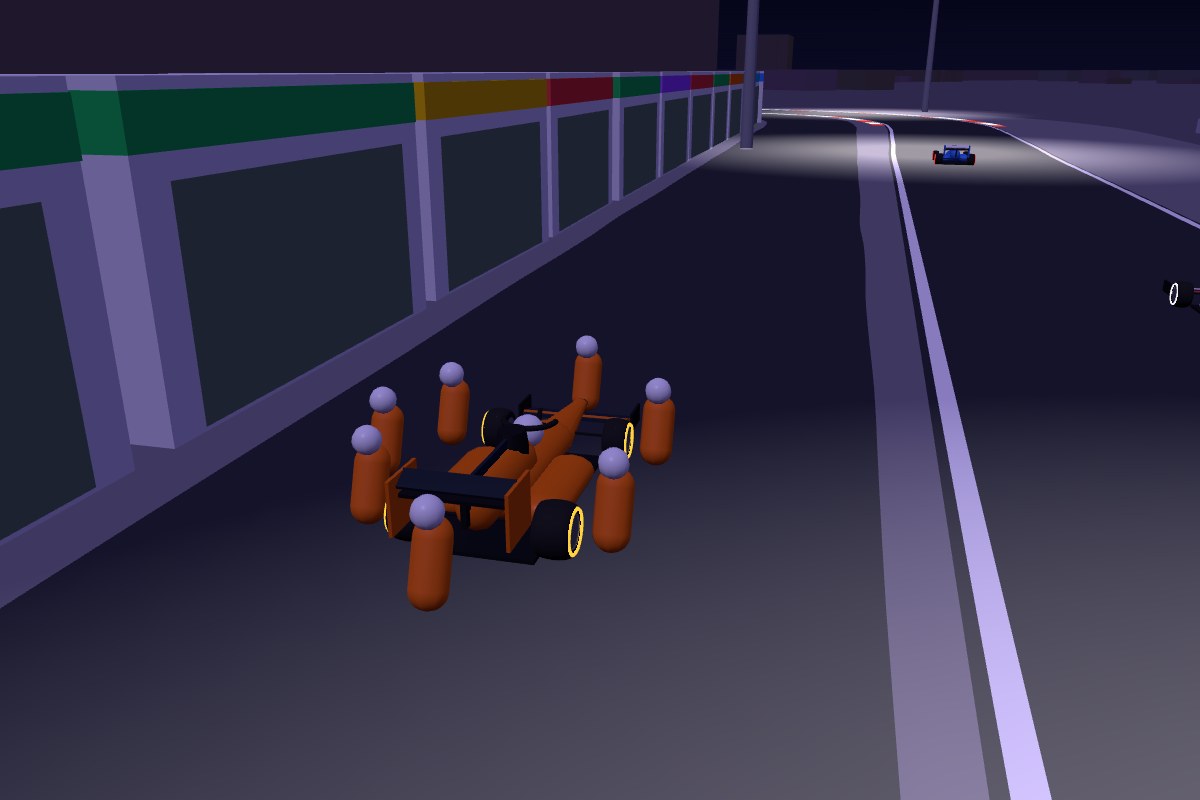
The pit lane speed limit never changes, so a normal stop costs more than 20 seconds. When everyone else is crawling, you lose much less. The field is slower behind a real safety car than under a VSC, and the period lasts longer, which is why that's when teams most often call drivers in for fresh tyres. The unluckiest man is the one who pitted two laps before the crash: he paid full price, and his rivals now change tyres almost for free.
The leader controls the restart
Before the restart the safety car switches off its lights and peels into the pits. The leader decides when to go, and nobody can pass until the safety car line. Race control may let lapped cars through so they rejoin at the back and stay out of the fight. A VSC ends faster: the lights go green and everyone floors it.
Why Vegas makes it riskier
Las Vegas is a cold night race. A few slow laps are enough to cool the tyres and brakes, so grip at the restart is low and the first corner after the green flag is an easy place to get it wrong. LapRadar shows during the race who pitted under the safety car and how the gaps shuffled after the restart.