Las Vegas: the brightest race of the season, and the slipperiest
Night, desert cold and smooth street tarmac. In Vegas the tyres simply refuse to switch on, and the strategy can flip in a single lap.
The Strip and its 90-degree corners
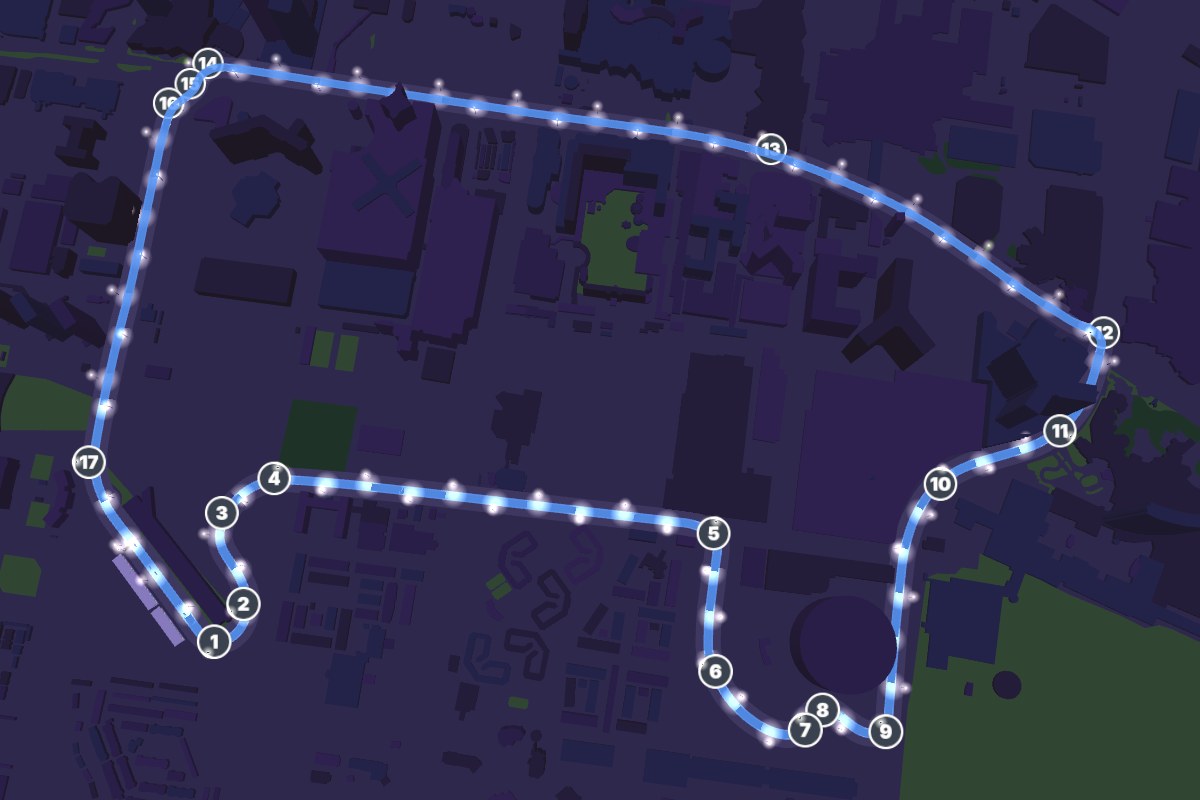
The Las Vegas Grand Prix runs on city streets, including the famous Strip. The lap is roughly 6.2 km, mostly long straights broken up by slow 90-degree corners. Teams run very little downforce to be quick on the straights, which leaves the cars short of grip in the turns.
A November night in the desert
The race starts at night, and November nights in the desert are chilly: air around 10–15 °C and cold tarmac. F1 tyres are built for much higher temperatures, so getting heat into them is hard work. Cold rubber grips less, the cars slide around, and drivers compare it to driving on ice.
Graining
When a cold tyre slides, the surface tears into small rolls of rubber. That's graining. The rolls sit between tyre and tarmac like ball bearings, and the pace falls away. Sometimes it clears up after a few laps. Sometimes it forces an early stop.
Softs that go the distance
Normally a soft means a quick but short stint. Vegas turns that around. In the cold the soft is simply easier to switch on, and it's often better than the hard over a single lap and over a long run too. The hard may never reach its working temperature.
Restarts
A couple of slow laps behind the safety car and the tyres have gone cold again. That makes every restart in Vegas a gamble. Get your tyres working first and you can pick up several places; get it wrong and you can make a mistake at the very first corner.
Overtakes on the Strip
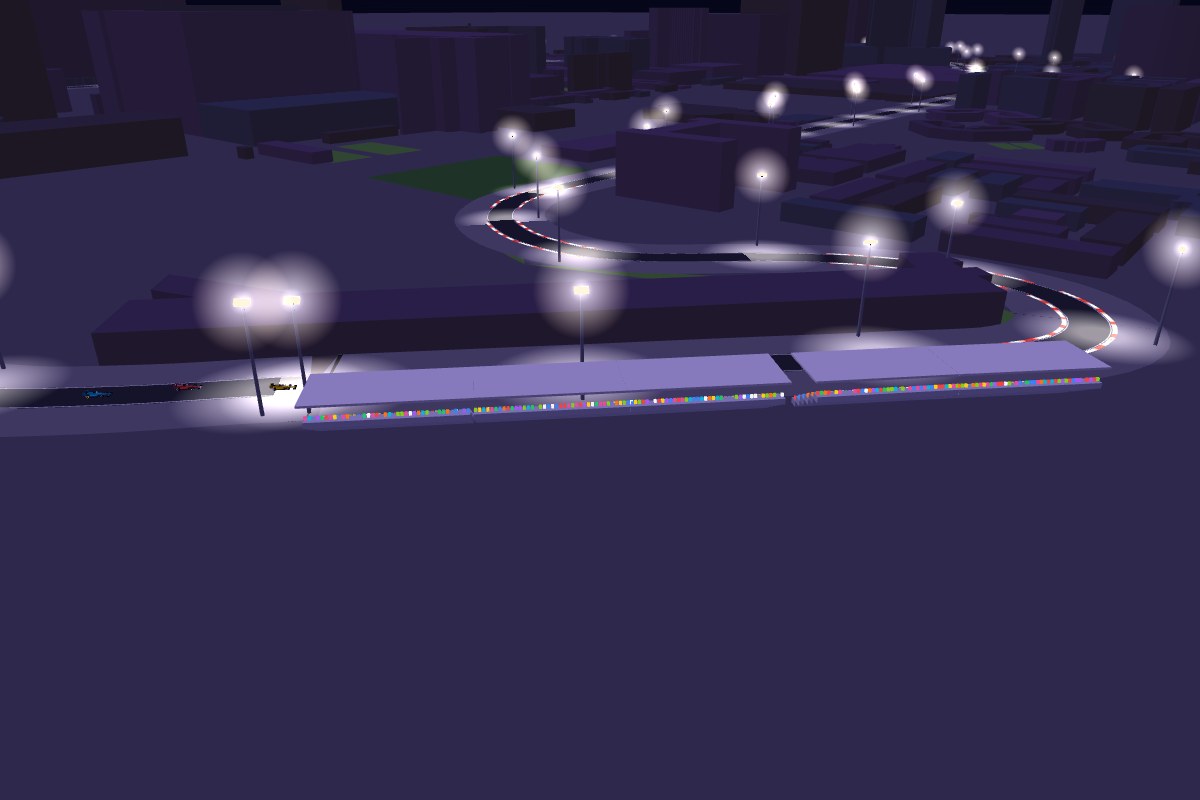
LapRadar's Live centre shows every driver's tyres, how old they are and how the gaps are moving, and the 3D map shows exactly where on the Strip the passes happen.