Qatar: the night race that eats tyres
Lusail races at night under floodlights, and it's still brutal. For tyres and drivers alike, Qatar is one of the hardest weekends of the season.
Racing after sunset
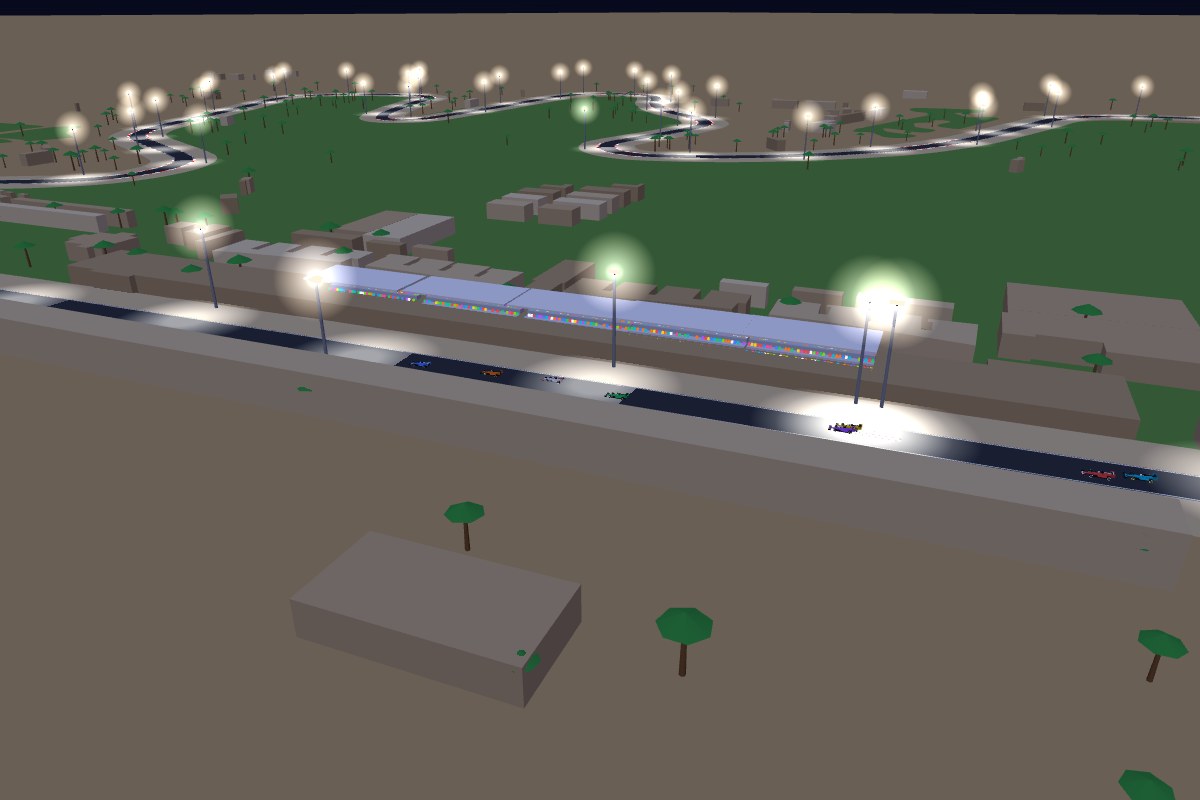
The Qatar Grand Prix starts after sunset because the desert is simply too hot during the day. The air is cooler at night and the floodlit track looks fantastic on TV. It's still warm and humid, though, and the tarmac is slow to cool.
A circuit built for MotoGP
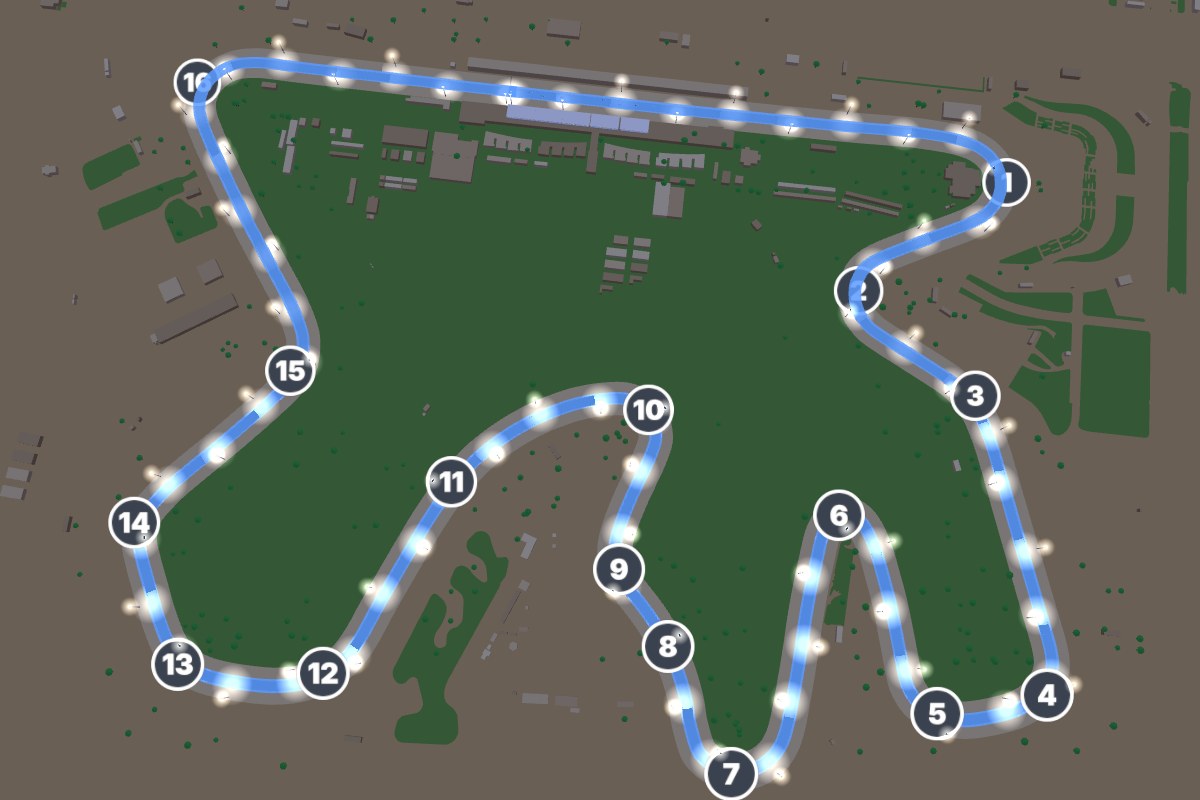
Lusail was built for bikes: about 5.4 km with barely a slow hairpin. What it does have is a string of fast and medium-speed corners, one after another. The car is cornering nearly all the time, so the tyres are always at the limit, the front-left and the sidewalls most of all.
The 18-lap cap
The loads here are high enough that limits have been imposed before. In 2023, after sidewall concerns, the FIA followed Pirelli's advice and capped stints at 18 laps per set, which forced every team into at least three stops. In Qatar, wear rules can shape the strategy as much as outright pace does.
Brutal for drivers too
Constant g-forces through fast corners on top of humid heat turn the race into an endurance test. In 2023 several drivers finished close to dehydration, and F1 has been working on ways to keep drivers cool in hot races ever since.
Why daytime practice can mislead
Once the sun goes down the track cools, and late in the race the tyres behave differently from daytime practice. Teams know daytime data doesn't always carry over to an evening race, so the session held at the same time of day as the race is the one they trust most.
Who's stretching a stint
LapRadar's Live centre shows how many laps each set has done and when drivers pit, which makes it easy to see who is stretching a stint and who is heading for an extra stop.