Vegas 2026: why the Strip is too long for the battery
The new-generation F1 cars race in Las Vegas for the first time. Long straights and few braking zones turn the race into an energy puzzle.
Half the power comes from the battery
The 2026 power unit is a different animal. The MGU-H is gone, the MGU-K delivers up to 350 kW and the combustion engine around 400 kW. That's roughly a 50/50 split, so with a flat battery a car loses close to half its drive.
Where Vegas finds energy
The battery charges mostly under braking. The Las Vegas lap is 6.2 km, the race is 50 laps, and the run down the Strip lasts almost two kilometres, with two more long straights elsewhere. There aren't many slow corners for a big recharge. Mercedes reserve Frederik Vesti said in the team's preview that the long straight leaves drivers energy-starved for much of the lap.
Super clipping at full throttle
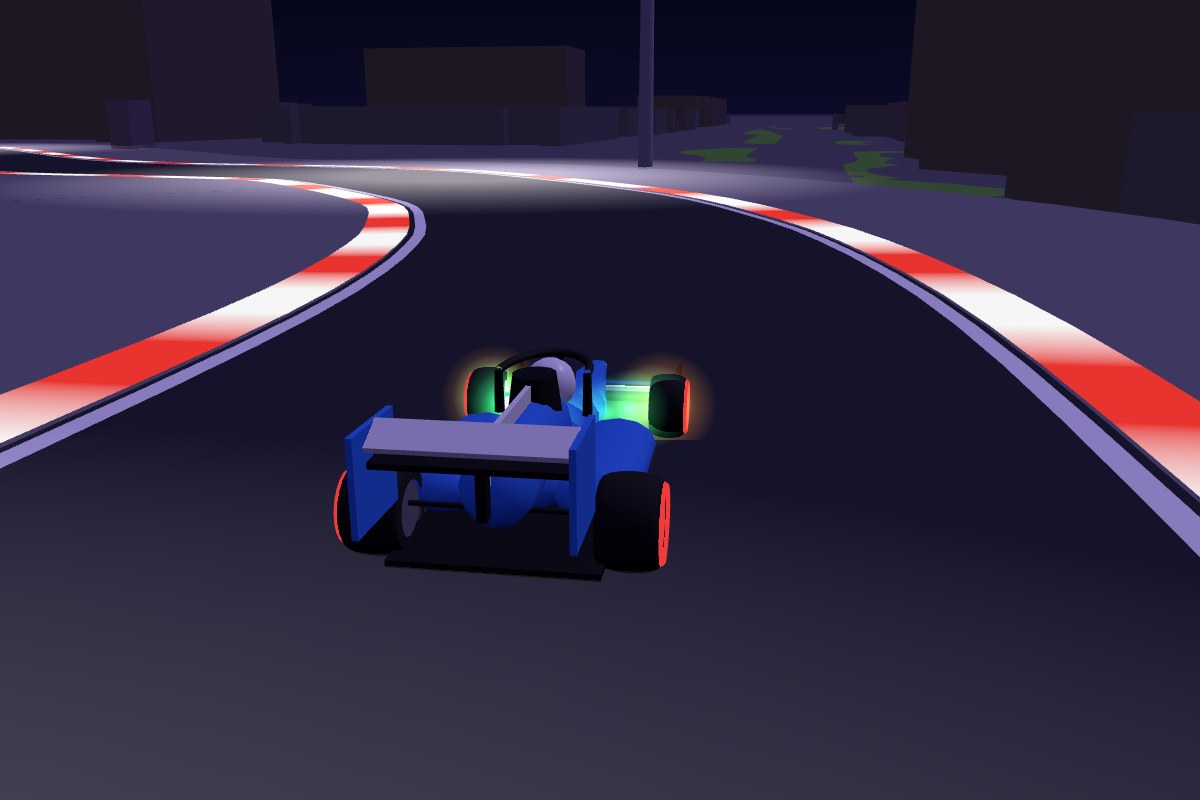
When energy runs short, the car starts recharging while still flat out, usually at the end of a straight. That's super clipping: part of the engine's output goes into the battery instead of the wheels, and speed drops. Before Miami the FIA raised the limit for this from 250 to 350 kW. Expect plenty of it in Vegas, with cars visibly running out of puff before the braking zones.
Cold nights and the softest tyres
The second problem is a familiar one. It's a night race with air and track around 15 °C, probably the coldest weekend of the year. Pirelli brings its three softest compounds, C3, C4 and C5, as in 2025, so the tyres reach their window quickly.
Energy will decide the passes
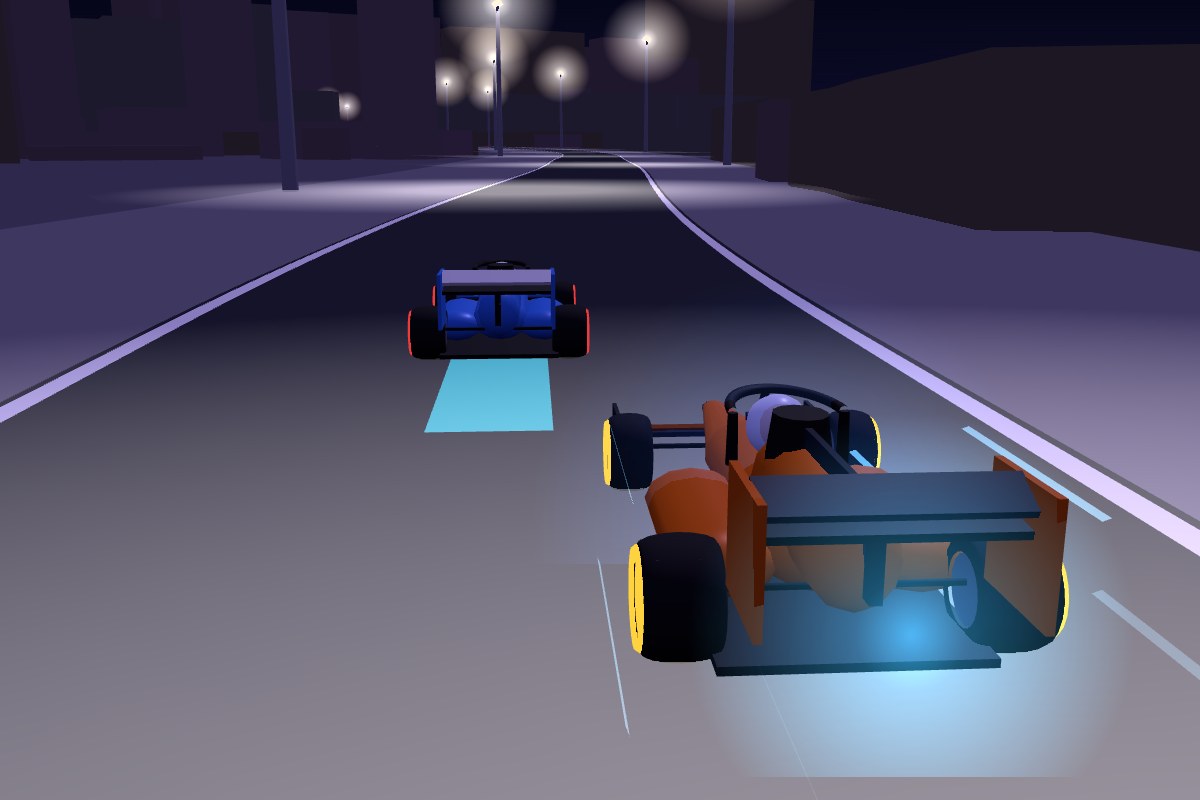
DRS is gone. On the straights, overtake mode with extra electric power does the job. Whoever arrives at the main straight with charge in hand gets to attack. You can see the speed differences on the Strip during the race on LapRadar.