How Formula 2 differs from Formula 1
Formula 2 races at the same tracks on the same weekends as F1, but plays by its own rules: one car for everyone, two races per weekend and a reverse grid.
One car for all
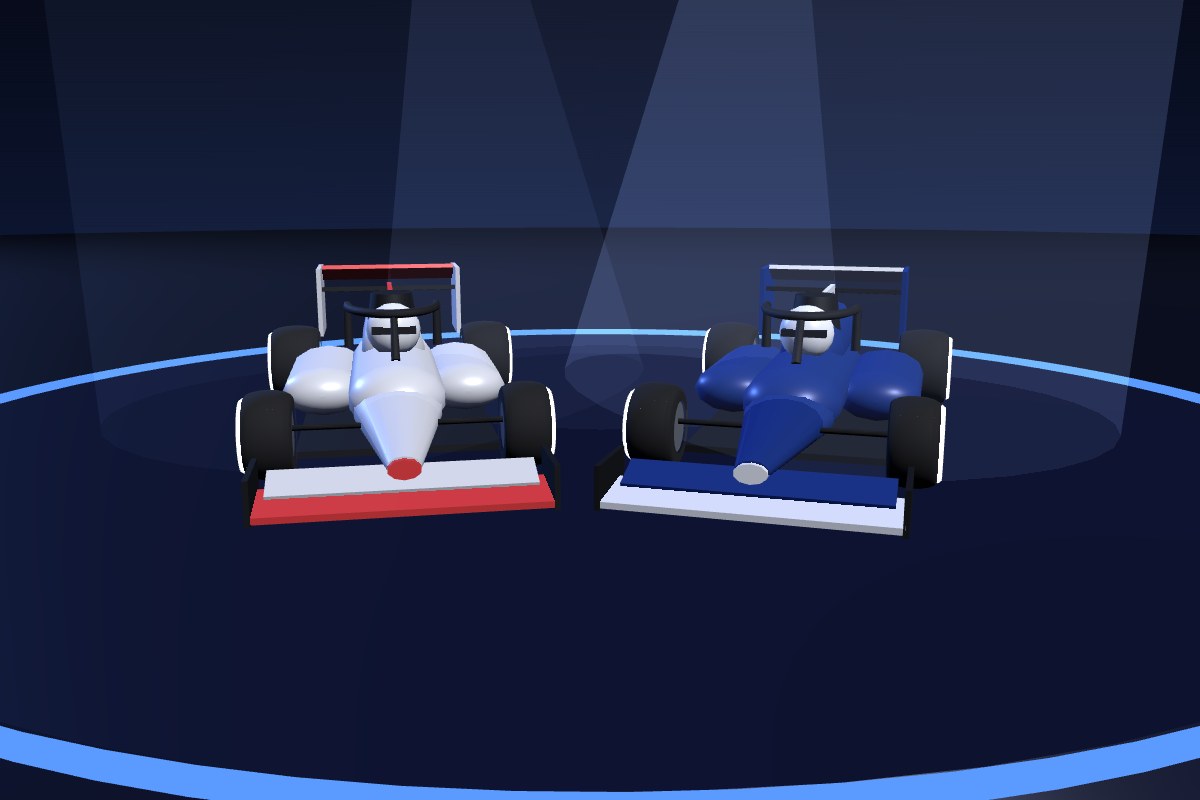
In F1 every team builds its own car. In F2 everyone drives the same Dallara chassis; the current version arrived in 2024 and looks like a ground-effect F1 car. The engine is shared too: a 3.4-litre turbocharged V6 from Mecachrome with about 620 horsepower. An F1 power unit in 2026 makes around a thousand.
Two races in a weekend
The F2 schedule is compact. Friday has one 45-minute practice and a 30-minute qualifying session. Saturday is a 120 km sprint, Sunday a 170 km feature race, both before the Grand Prix. An F1 race has to cover at least 305 km.
The reverse grid
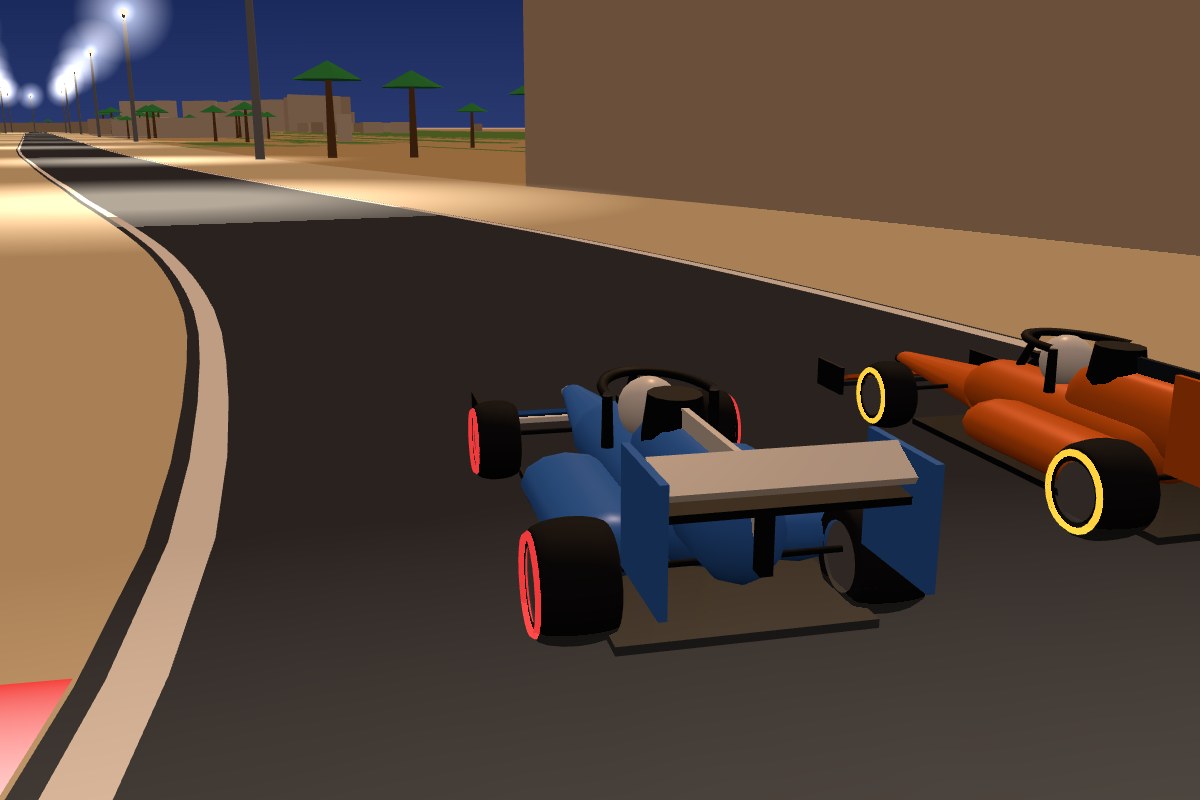
The biggest difference is the sprint. The top ten from qualifying line up in reverse: the fastest driver starts tenth and the tenth-fastest starts on pole. That means plenty of passing on Saturday, and the pole-sitter has to fight through the pack.
A mandatory pit stop
In the feature race every driver must pit at least once and use both available tyre compounds. Teams choose when to stop, so strategy matters as much as raw pace.
Points and the road to F1
The feature race pays F1-style points, 25 for the win down to tenth, plus 2 for pole. In the sprint the top eight score, with 10 for the winner. The top three in the championship each get 40 superlicence points, exactly what you need to race in F1. This year the title will be decided in Qatar and Abu Dhabi between Rafael Câmara and Nikola Tsolov. F2 standings are on LapRadar.