Dirty air: why it's so hard to follow closely in F1
Catching the car ahead is easier than passing it. The culprit is the turbulent wake a car leaves behind. Here is what the 2022 rules tried to do about it, and what changed with the moving wings of 2026.
The wake behind a car
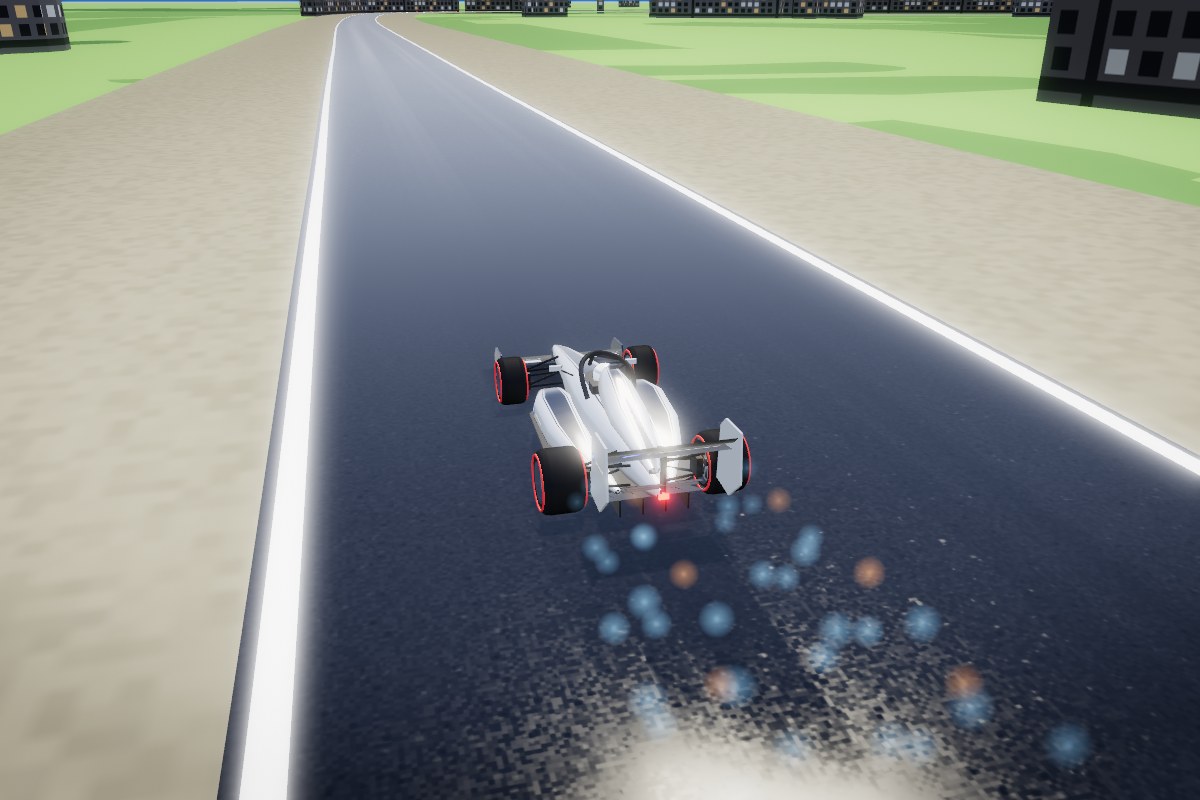
A Formula 1 car punches through the air at huge speed and leaves behind a turbulent flow full of vortices from the wheels, wings and floor. That is dirty air. The wings and floor of the car behind are designed for smooth airflow, and they get a messy one instead. Downforce drops, and in the corners the chasing car can't match the speed of the leader running in clean air.
Sliding and overheating
With less downforce, the car slides more. Sliding heats and wears the tyres, and there is little clean air around to cool them. That is why drivers try not to sit behind a rival for long: a few laps in dirty air and the tyres lose grip while the gap grows.
What 2022 changed
By Formula 1's own estimate, pre-2022 cars lost almost half their downforce one car length behind another car. The new rules moved most of the downforce under the car, into shaped tunnels, brought back wheel covers and reworked the front wing so that the wake would be narrower. The target was to lose less than a fifth in the same position.
Loopholes
Things improved at first, but the teams soon found loopholes. The FIA acknowledged that front wing endplates, parts around the wheels and the brake ducts were throwing air outwards again, making the wake worse. It decided to fix that in the 2026 rules.
2026: moving wings and Overtake Mode
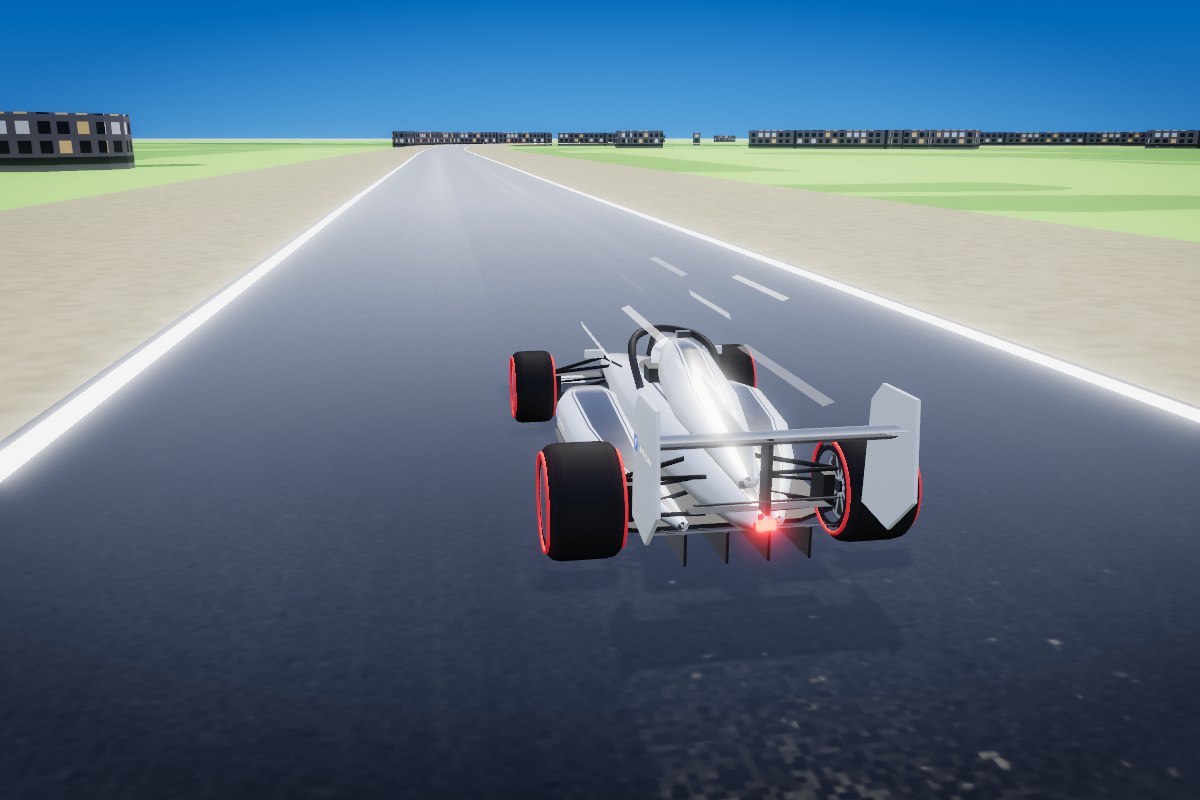
DRS is gone from 2026. Both the front and rear wings move: in Straight Mode the flaps open in set zones to cut drag, and they do so for everyone, not just a driver within a second of the car ahead. In the corners the wings return to their high-downforce position. The overtaking aid is now Overtake Mode: a driver within a second of the car ahead at the detection point gets an extra 0.5 MJ of battery energy on the next lap. You can follow the gaps between drivers through the race on the LapRadar live map.